
Compare Blend and Stack Research Formats
Guardian Peptides offers both blend and stack configurations for select peptide research materials. Blend formats consolidate multiple components into a single vial, while stack formats supply those same components separately for laboratories that prefer independent component handling, labeling, and documentation.
Blend Format
Blend configurations combine multiple peptide components into one lyophilized preparation. This format may support simplified inventory organization when a laboratory is studying multiple components together as a consolidated research material.
Stack Format
Stack configurations supply the same peptide components separately in individual vials. This format may support independent storage, reconstitution, labeling, documentation, and component-specific analytical workflows.
Formulation & Laboratory Handling Considerations
Blend and stack formats are not presented as treatment options or administration protocols. They are different research material configurations that may support different laboratory handling, storage, and documentation preferences.
Multi-Component Blend Considerations
In blended formulations, multiple peptide materials are combined within the same lyophilized environment. Because individual peptide structures may differ in molecular size, charge behavior, solubility characteristics, and moisture sensitivity, laboratories may consider these variables when evaluating storage, preparation, and analytical workflows.
Independent Stack Considerations
In stack configurations, each compound remains physically separated until prepared by the laboratory. This may simplify component-specific documentation, inventory tracking, independent review, and separate reconstitution procedures.
- Component distribution: Multi-component blends are prepared as a consolidated lyophilized material. Due to differences in peptide mass, density, and physical characteristics, exact distribution uniformity may vary slightly between preparations.
- Reconstitution behavior: Different peptide structures may behave differently during laboratory preparation, especially when multiple components are present within the same vial.
- Storage management: Separate-vial formats may allow laboratories to manage each compound according to its own documentation, handling, and storage workflow.
- Analytical flexibility: Stack configurations may support independent component review, while blend configurations may support consolidated multi-component research organization.
Wolverine
Wolverine combines BPC-157 and TB-500, two synthetic peptides commonly referenced in biochemical and cellular research involving peptide signaling, molecular interactions, and actin-associated research pathways.
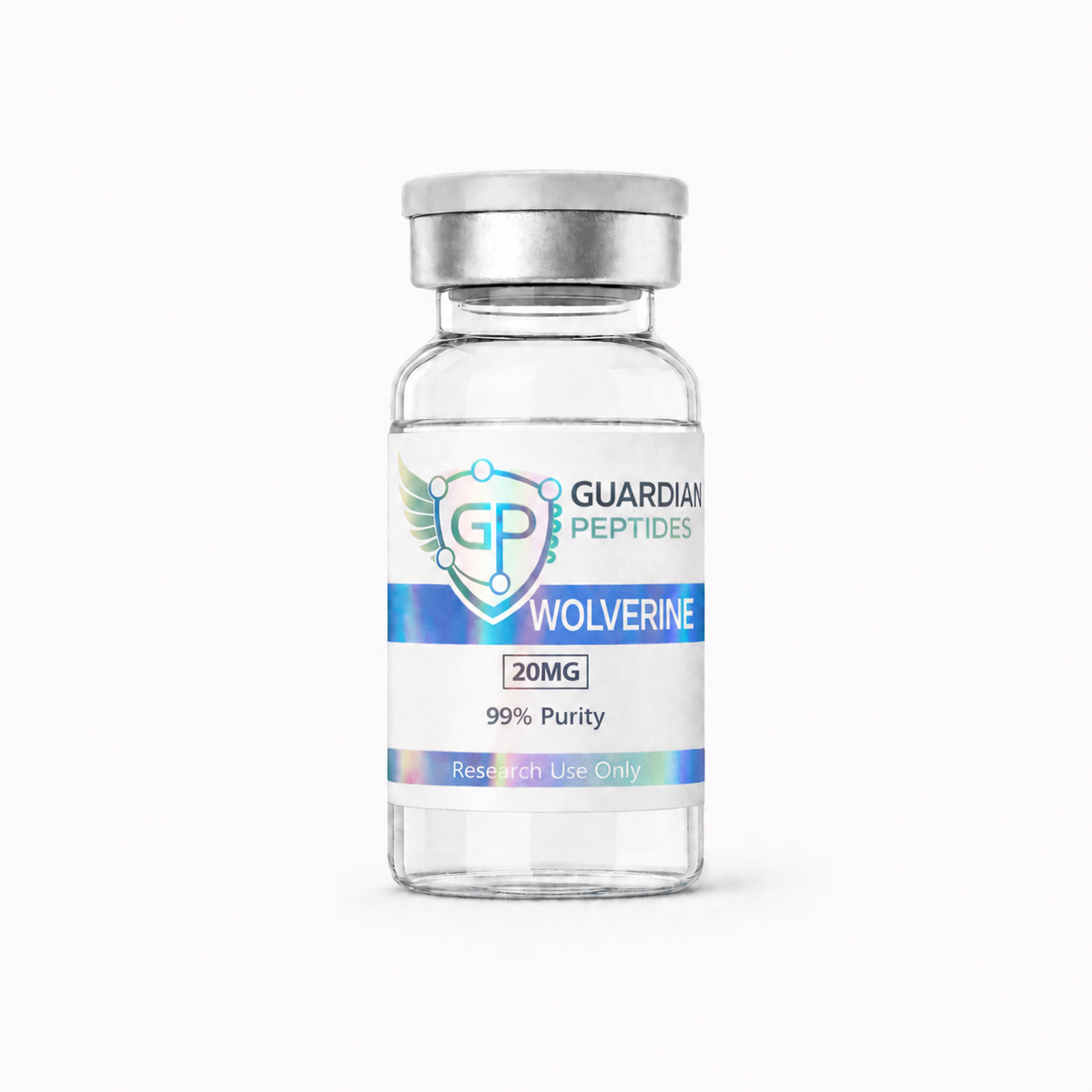 Same-vial format
Combined components in one vial
Stack
Same-vial format
Combined components in one vial
Stack
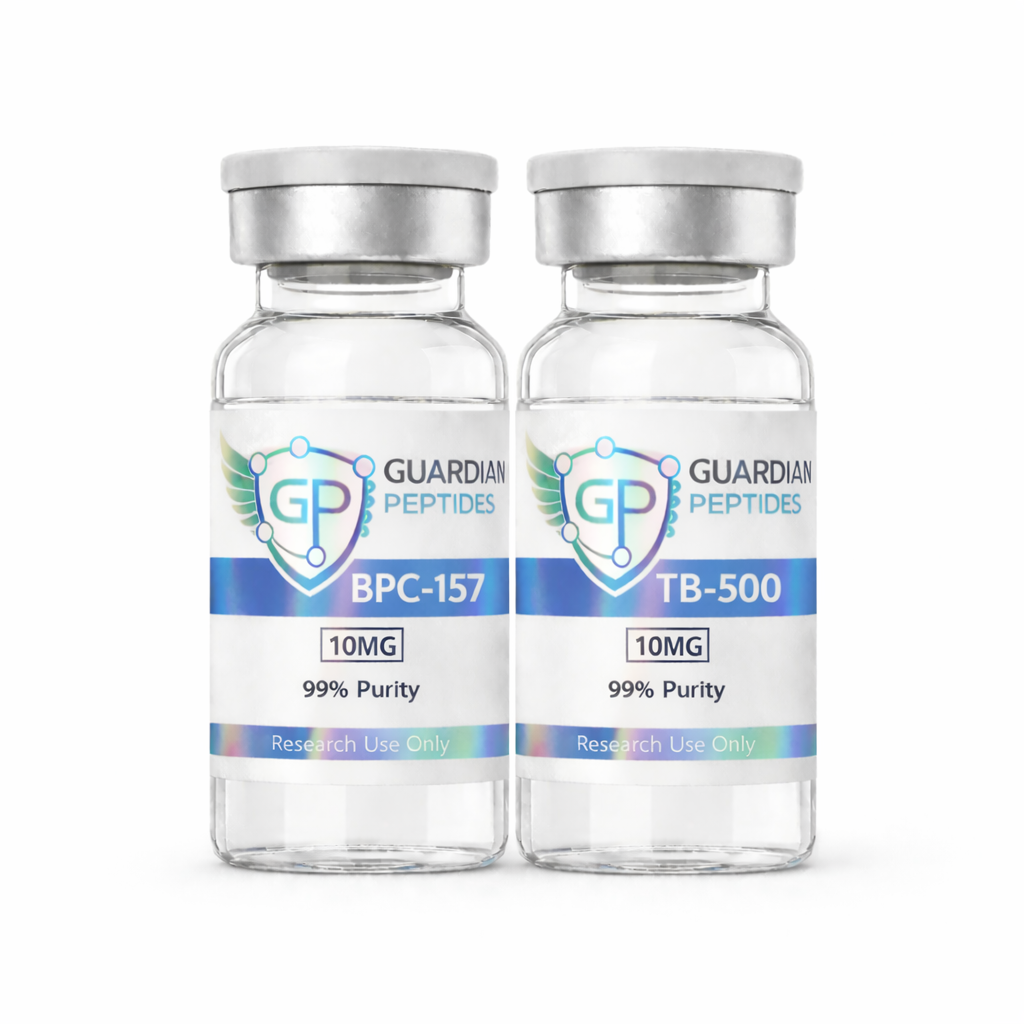 Separate-vial format
Individual components supplied separately
Separate-vial format
Individual components supplied separately
- Components: BPC-157 and TB-500.
- Research focus: Peptide-mediated signaling dynamics, actin-binding pathways, cellular migration processes, protein interactions, and cellular response mechanisms.
- Format: Supplied as lyophilized material requiring reconstitution prior to laboratory use.
Glow
Glow combines GHK-Cu, BPC-157, and TB-500 in a multi-component research configuration associated with copper-binding peptide interaction studies, peptide signaling research, and cellular pathway analysis.
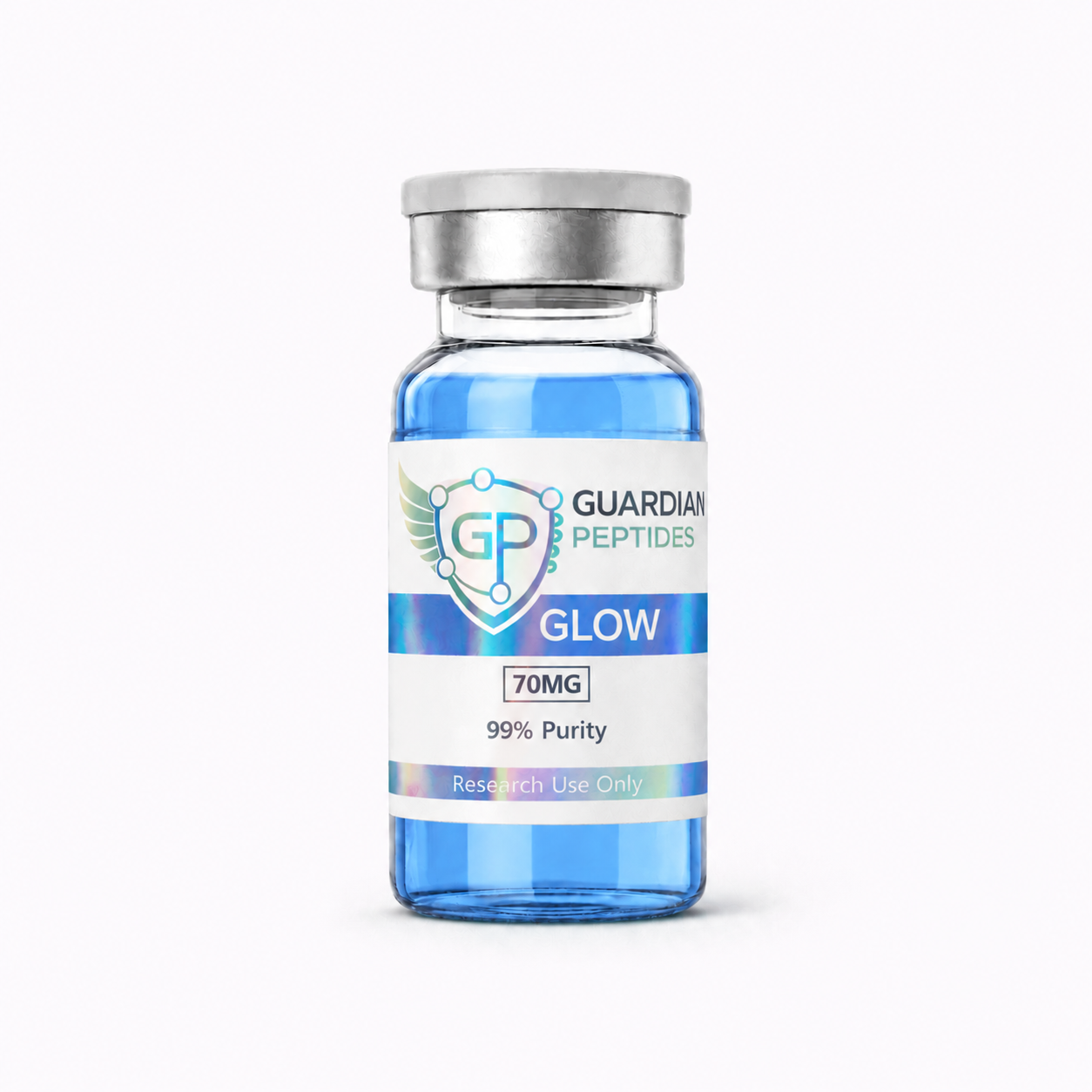 Same-vial format
Combined components in one vial
Stack
Same-vial format
Combined components in one vial
Stack
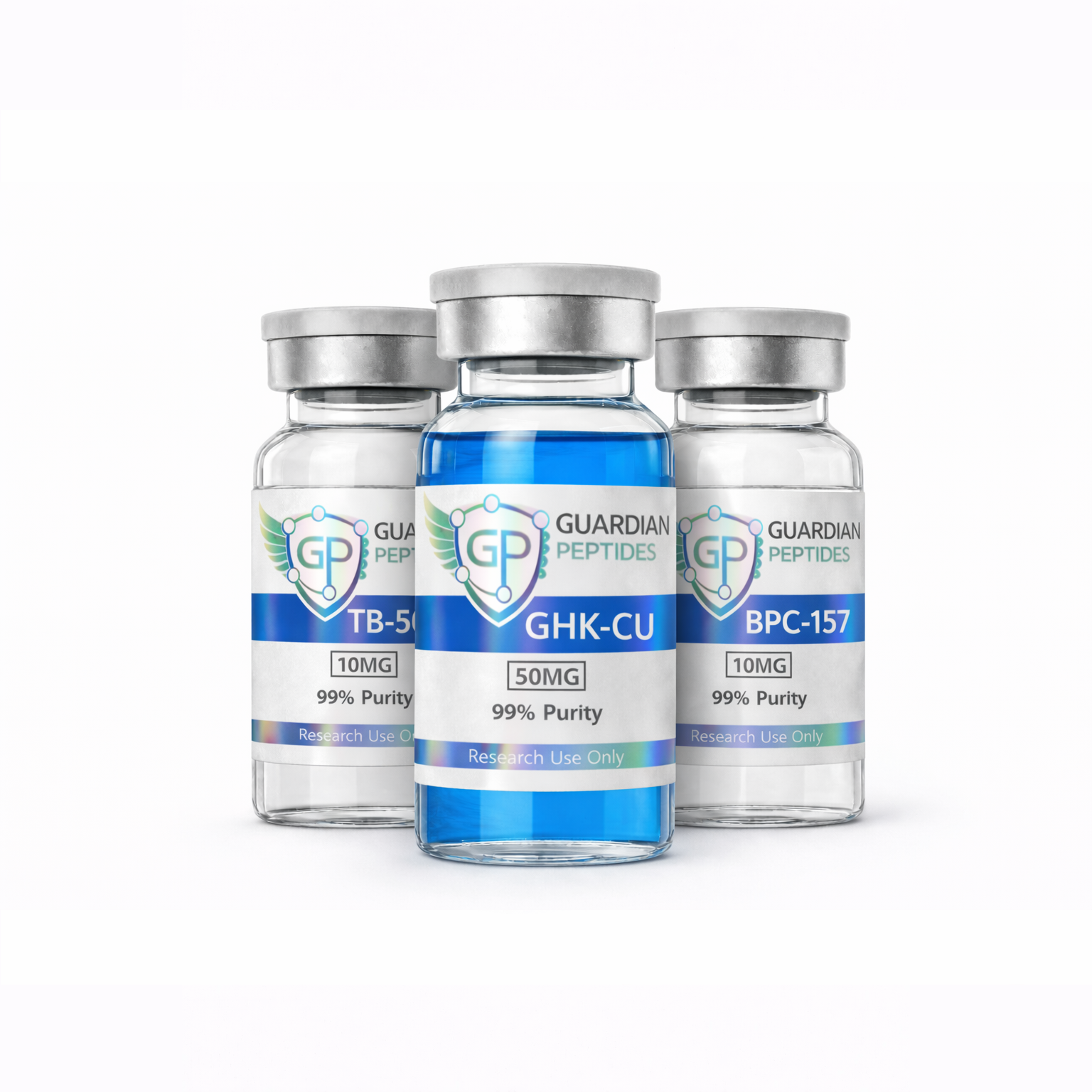 Separate-vial format
Individual components supplied separately
Separate-vial format
Individual components supplied separately
- Components: GHK-Cu, BPC-157, and TB-500.
- Research focus: Copper-binding peptide interactions, actin-binding pathways, peptide-mediated signaling dynamics, molecular interaction research, and cellular process studies.
- Format: Supplied as lyophilized material requiring reconstitution prior to laboratory use.
Klow
Klow combines KPV, GHK-Cu, BPC-157, and TB-500 into a broader multi-component research configuration focused on peptide signaling pathways, molecular interaction analysis, and component relationship studies.
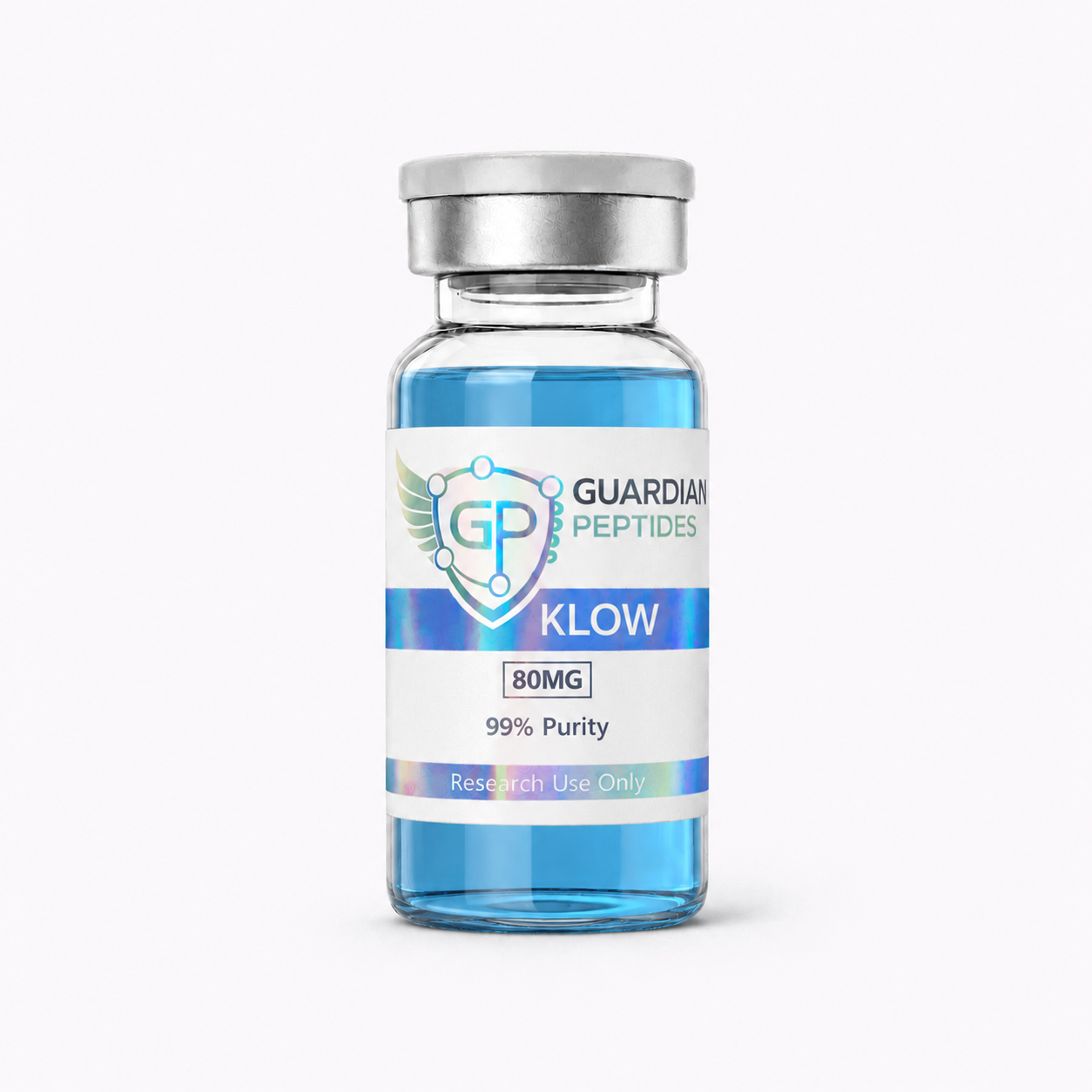 Same-vial format
Combined components in one vial
Stack
Same-vial format
Combined components in one vial
Stack
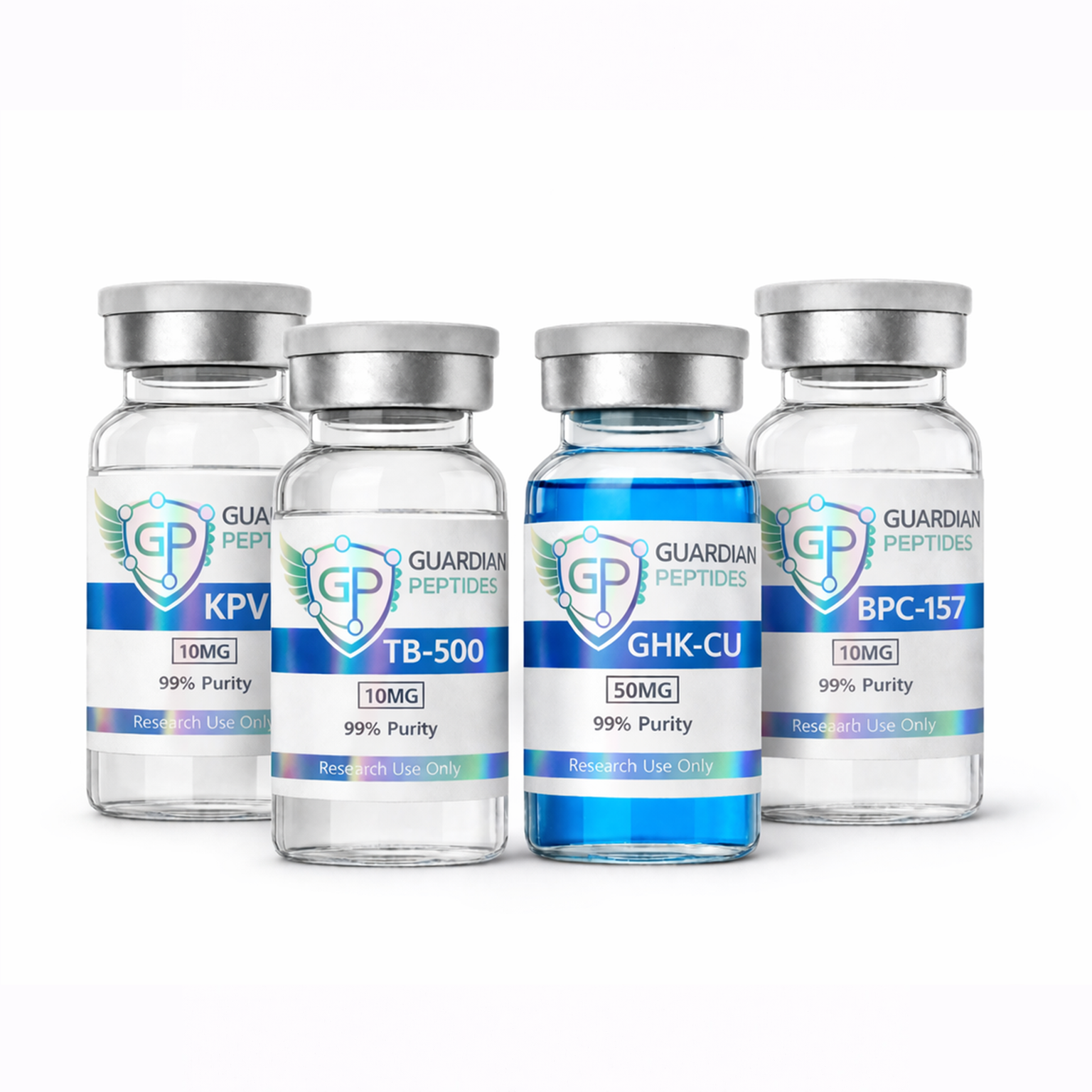 Separate-vial format
Individual components supplied separately
Separate-vial format
Individual components supplied separately
- Components: KPV, GHK-Cu, BPC-157, and TB-500.
- Research focus: Tripeptide-mediated signaling pathways, copper-binding peptide interactions, actin-binding pathways, peptide-mediated signaling dynamics, and molecular interaction research.
- Format: Supplied as lyophilized material requiring reconstitution prior to laboratory use.
Why Research Environments May Use Different Formats
The choice between a blend and a stack often comes down to laboratory workflow. Some research settings prioritize consolidated material organization, while others prefer separate component tracking and independent preparation.
Inventory Simplification
Blend formats reduce overall vial count by consolidating multiple peptide components into a single preparation.
Independent Analysis
Stack configurations allow laboratories to evaluate, document, and handle each component separately.
Component Flexibility
Separate-vial formats may support more flexible component-specific storage, tracking, and preparation workflows.
Storage Management
Different peptide structures may have different handling considerations during long-term laboratory storage.
Purity Transparency
Review available supplier-provided COAs and Guardian Peptides’ documentation standards.
Fast U.S. Shipping
Orders are fulfilled and shipped from the United States with efficient handling.
Secure Packaging
Discreet, secure, and insulated packaging supports product integrity during transit.
Research Library
Explore educational research pages written with a laboratory-use-only compliance focus.
Related Research Materials
Use the links below for product documentation, formulation review, and related research navigation. All listed materials are supplied strictly for laboratory research use only.
Research Materials with Flexible Configurations
Guardian Peptides provides select peptide research materials in both stack and blend configurations, supported by clear product information, available documentation, U.S. fulfillment, and secure packaging.