
Compare GLP-2TZ and GLP-3RT for Laboratory Research
Guardian Peptides’ GLP research category is designed for researchers comparing synthetic peptide analogs involved in receptor interaction studies, incretin-related signaling pathways, peptide binding dynamics, and multi-receptor molecular research.
GLP-2TZ
GLP-2TZ is a synthetic peptide analog commonly referenced in biochemical and cellular research involving peptide signaling and receptor interaction studies. It is classified as a dual agonist because it interacts with two receptor systems: GLP-1 and GIP.
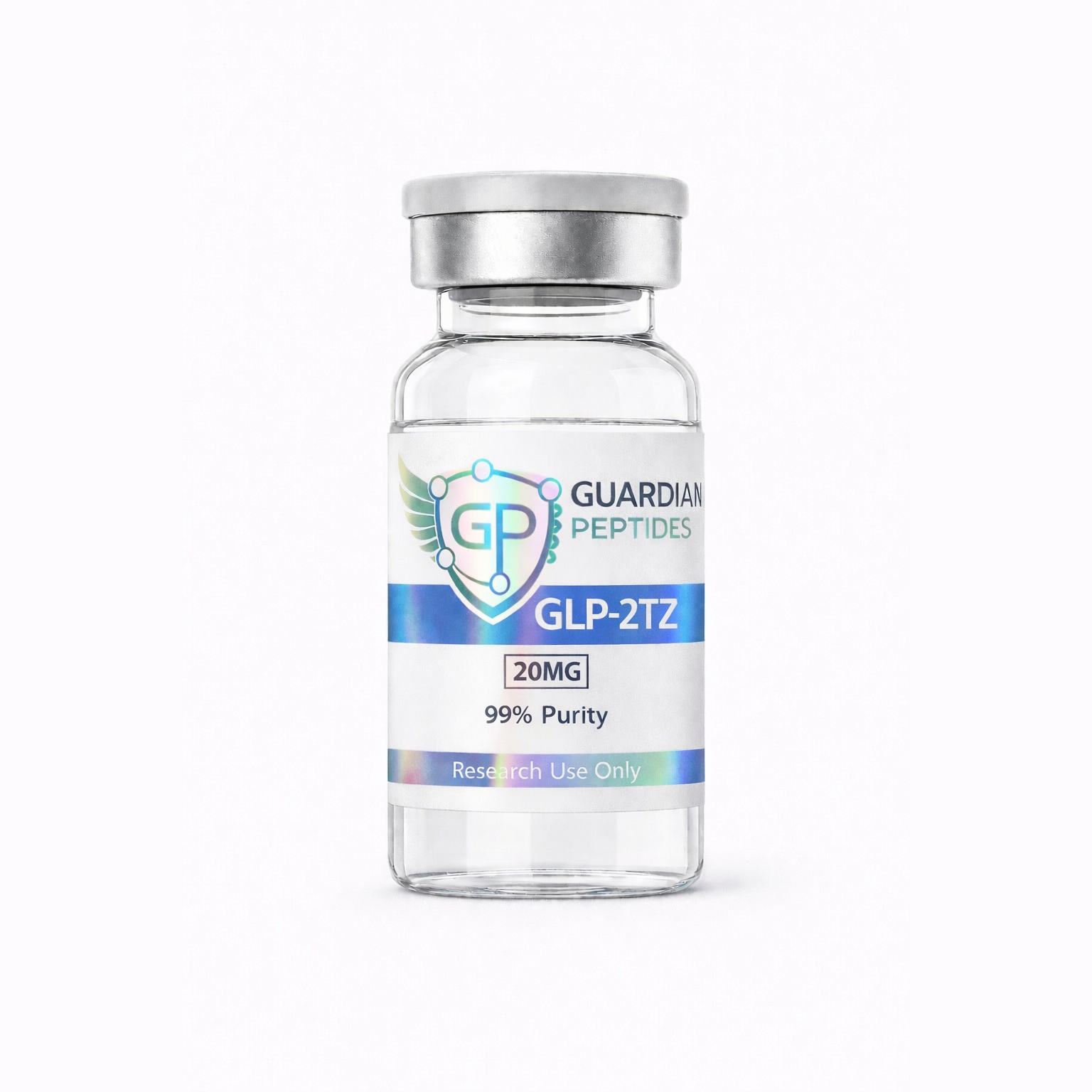
- Research classification: Dual agonist peptide analog.
- Receptor interaction profile: GLP-1 receptor and GIP receptor.
- Research relevance: Incretin-related signaling pathways, receptor activation dynamics, peptide binding behavior, and molecular interaction studies.
- Format: Supplied as a lyophilized powder material for laboratory research handling.
GLP-3RT
GLP-3RT is a synthetic peptide analog commonly referenced in biochemical and cellular research involving broader multi-receptor peptide signaling. It is classified as a triple agonist because it interacts with three receptor systems: GLP-1, GIP, and glucagon.
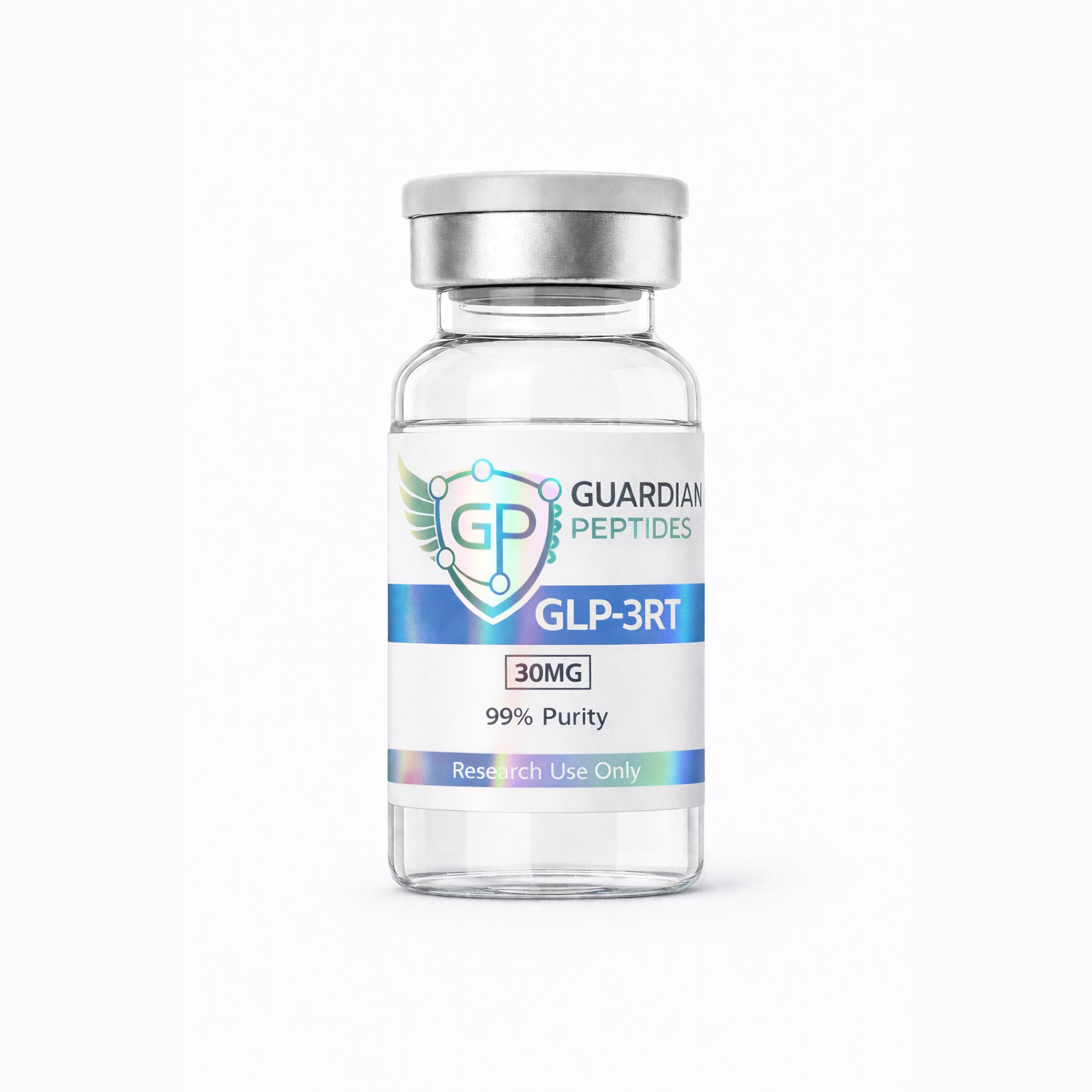
- Research classification: Triple agonist peptide analog.
- Receptor interaction profile: GLP-1 receptor, GIP receptor, and glucagon receptor.
- Research relevance: Multi-receptor signaling research, peptide binding dynamics, receptor activation pathway analysis, and incretin-related laboratory studies.
- Format: Supplied as a lyophilized powder material for laboratory research handling.
GLP-2TZ vs. GLP-3RT
Both materials are synthetic peptide analogs used in laboratory research, but they differ in receptor interaction profile, agonist classification, and comparative research scope.
Multi-Receptor Peptide Research
Dual and triple agonist peptide analogs are frequently studied because different receptor combinations may produce different signaling dynamics, receptor activation profiles, and molecular interaction patterns within laboratory environments.
GLP-1 Receptor Research
GLP-1 receptor interaction studies are commonly included in incretin-related peptide signaling research and molecular binding analysis.
GIP Receptor Research
GIP receptor pathway research is often evaluated alongside GLP-1 receptor activity in dual and multi-receptor peptide studies.
Glucagon Receptor Research
GLP-3RT expands research scope by adding glucagon receptor interaction to the GLP-1 and GIP receptor profile.
Peptide Signaling Analysis
Multi-receptor analogs may support research involving receptor activation dynamics, binding behavior, and pathway comparison.
Important Laboratory Considerations for GLP Research Materials
Research teams evaluating GLP peptide analogs often consider more than receptor count alone. Storage conditions, documentation, analytical consistency, and material format can all affect laboratory workflow.
- Receptor selectivity: Researchers may compare how synthetic peptide analogs interact with targeted receptor systems in controlled biochemical or cellular study designs.
- Binding dynamics: Molecular binding behavior, receptor engagement, and pathway interaction are common areas of interest in GLP-related laboratory research.
- Analog structure: Synthetic peptide analogs may be evaluated for sequence design, structural characteristics, and how those features relate to receptor interaction patterns.
- Material format: Lyophilized powder materials are commonly used in research environments to support storage stability prior to laboratory preparation.
- Documentation review: COAs, batch details, purity information, and supplier documentation may support internal laboratory recordkeeping and material review processes.
- Storage workflow: Research materials should be handled according to laboratory storage procedures, with attention to temperature control, moisture exposure, and repeated handling cycles.
Purity Transparency
Review available supplier-provided COAs and Guardian Peptides’ documentation standards.
Fast U.S. Shipping
Orders are fulfilled and shipped from the United States with efficient handling.
Secure Packaging
Discreet, secure, and insulated packaging supports product integrity during transit.
Research Library
Explore educational pages written with a laboratory-use-only compliance focus.
Related GLP Research Materials & Resources
Use the links below for product documentation, educational research navigation, and related GLP research material review. All listed materials are supplied strictly for laboratory research use only.
GLP Research Materials with Clear Documentation
Guardian Peptides provides GLP research materials with clear product information, available purity documentation, U.S. fulfillment, and secure packaging for laboratory research environments.